
How far away is the Devonian?
It’s an important unit of time here in the Catskills.

It’s an important unit of time here in the Catskills.

The Catskills mark the northern edge of Appalachia, a region with a 37 percent higher mortality rate for “diseases of despair”—suicide, alcohol and drug overdose—than the rest of the country.
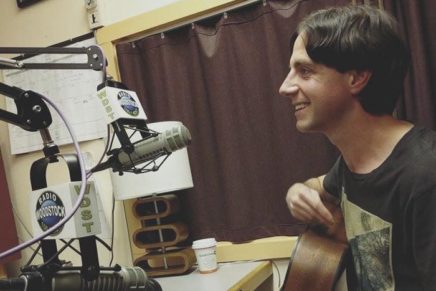
Since 2012, respected Hudson Valley based guitarist and vocalist Jay Woodruff has led alternative rock band Of the Atlas through a colorful range of styles and incarnations.

This week we face into the winter Milky Way, the spiral arm that’s opposite the galactic core. The Aztecs and Mayas regarded this luminescent band as the path taken by the newly departed en route to heaven. In medieval Europe it was called by its Latin name, Via Galactica, meaning “Milk Street.”
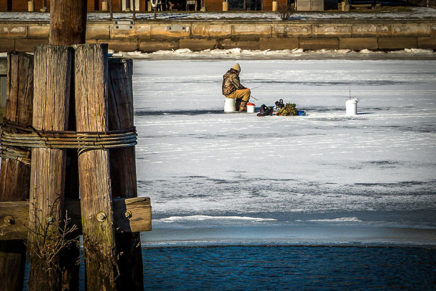
If I only fished to capture fish, my fishing trips would have ended long ago.

If the New York Times can send reporters to Antarctica they can damn well send one to Margaretville to cover watershed meetings every once in awhile.

The seed catalogs have arrived. It is time for a bout of self-examination: Are we up to this?

Saugerties Republicans have a lot to worry about.
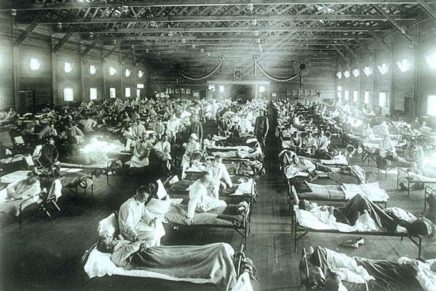
The 1918 pandemic killed as many people in one year as the Black Death claimed in a century. But it generated surprisingly few headlines at the time. The pandemic’s casualties blurred together in the public mind with those who never returned from the great European bloodbath, which perhaps explains why Ernest Hemingway and F. Scott Fitzgerald, writing best-selling novels in the years immediately following the Spanish flu pandemic, never mentioned the disease even once. Moreover, the pandemic lacked a punchy name.

Two senseless accidents claimed the lives of local men in the last several weeks. There’s no one to blame, no one to rage at. Unless you count the local paper, which is taking ferocious heat all over town for publishing a Facebook post about one of the deaths on Friday morning, just a couple of hours after it happened, before all family members could be informed.