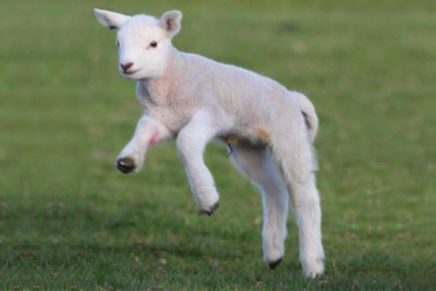
Chancellor’s Sheep & Wool Showcase at Clermont
Saturday, May 4: The annual family festival brings historic fiber arts, culture and crafts to a bucolic scenario where live sheep, angora rabbits and alpacas take center stage.

Saturday, May 4: The annual family festival brings historic fiber arts, culture and crafts to a bucolic scenario where live sheep, angora rabbits and alpacas take center stage.
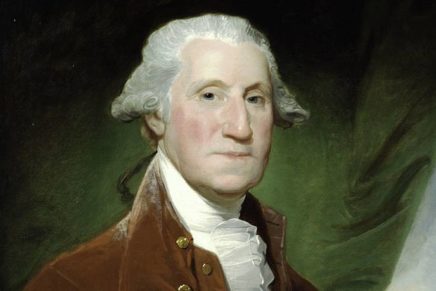
At some point in our studies, it’s impressed on us that, if he had wanted to, George Washington could have become King of America. But we’re never told exactly where or under what circumstances that happened. The answer may surprise you.
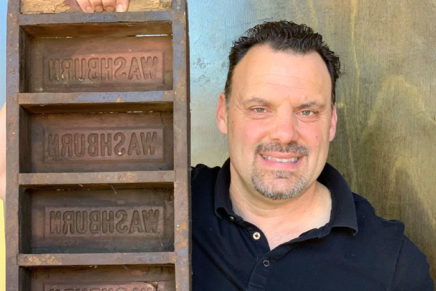
Costello hopes to highlight the brick-making past of Saugerties, which is beginning to fade as surviving employees of local brickyards pass away and local enthusiasts dwindle, with a permanent educational display at Bristol Beach, an in-process recreational hiking area that was the site of the Staples Brickyard at the turn of the century.
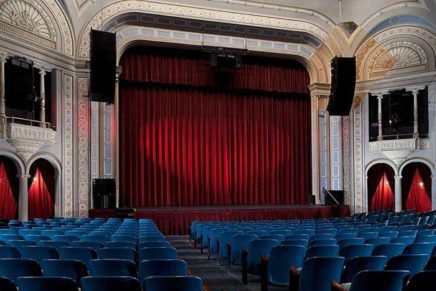
It was slated for demolition in 1975, to be replaced with a parking lot. Fortunately, community preservation activists rallied to save the historic building.
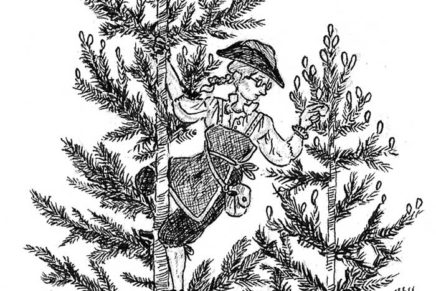
The eminent Swedish botanist and zoologist Carl Linnaeus, father of modern taxonomy, called Bartram “the greatest natural botanist in the world.” And aristocrats eagerly awaited the arrival of their “Bartram’s Boxes”: bundles of seeds, saps and specimens shipped from North America. What brought him to the Catskills?
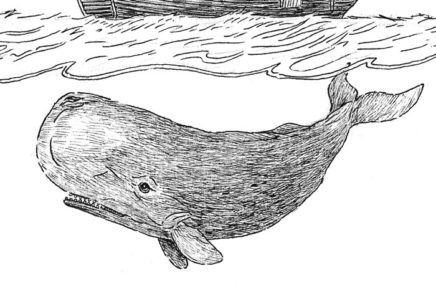
One wouldn’t think that people in the business of hunting whales far out at sea would ever have imagined Hudson to be an auspicious place to set up shop. But they did, beginning in 1783, just as the Revolutionary War was drawing to a close.
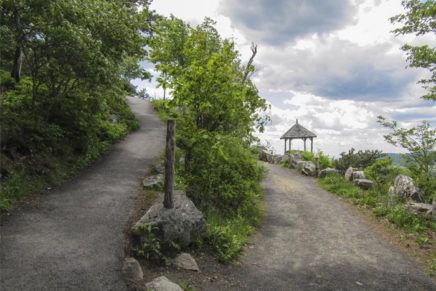
Mohonk’s summerhouses were originally fashioned by “rustic carpenters”: farmers mostly, with good carpentry skills. The amateur artisans were instructed to use the materials they could find at hand and to use their imagination. No two are alike.
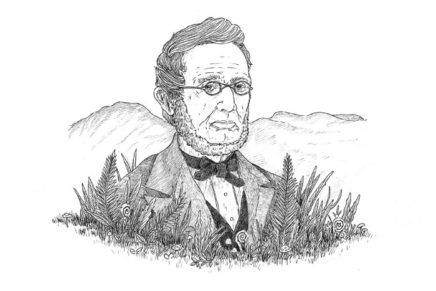
Guyot’s map of the Catskills radically redefined the physical and cultural understanding of the region. Before his work, the mountain known as High Peak was unanimously considered the highest in the range, and the region of the Catskill Mountain House (where the North/South Lake campground is today) was generally thought to be the only part of the Catskills of real natural and cultural interest – a misconception that the House owners had no interest in changing. Guyot set everyone straight, demoting High Peak, ultimately, to merely the 23rd-highest summit in the range and calling attention the natural treasures of Slide Mountain and the areas of the Catskills to the south and west.
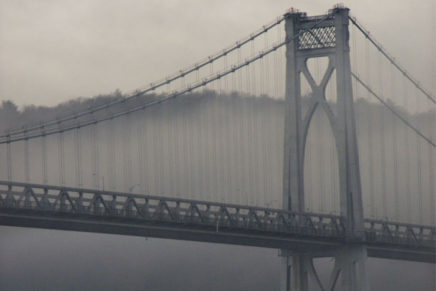
Considered by many to be the jewel of the Hudson River bridges, the Mid-Hudson Bridge was created by the famous bridge designer Ralph Modjeski. And the financing of the Rip Van Winkle Bridge is considered by many to be an innovative precursor of FDR’s New Deal economic systems.
The annual meeting of the New Paltz Study Club was held Tuesday at the home of Mrs. Bowman LeFever. The following officers for the year were elected: President, Miss Cora DuBois; secretary, Mrs. Louis D. LeFevre; treasurer, Mrs. Stahl. Miss Ella McLaury had charge of the program, which consisted of readings and phonographic selections portraying the humorous side of life among the American, British and Canadian soldiers during the war.